If you live in north Idaho, you know water and energy come with a price beyond the monthly bill. Winters demand hot water and heat, summers invite outdoor irrigation, and a single slow leak can quietly waste thousands of gallons before you notice. That reality is why homeowners and small businesses in Sandpoint increasingly call a plumber in Sandpoint ID to rethink plumbing not as a sunk cost, but as an opportunity to cut bills, conserve resources, and increase property value. I’ll walk through practical, proven options I install and recommend, explain trade-offs, and give a roadmap for decisions that actually pay off around here.
Why eco-friendly plumbing matters locally
Sandpoint sits where mountain runoff and lakes feed our taps, and where winters can be long and cold. That combination means two things. First, water conservation is both environmental stewardship and financial sense; even small reductions in household use translate to lower pumping and heating loads. Second, energy used to heat water and maintain homes is a major portion of a utility bill in northern climates, so swapping an inefficient heater or improving insulation returns real dollars. A plumber in Sandpoint can assess both water and heat factors, because plumbing decisions interact with HVAC and the building envelope.
Low-flow fixtures: familiar, but choose wisely
Low-flow toilets, showerheads, and faucet aerators are the baseline for water savings. Modern low-flow toilets use between 1.28 and 1.6 gallons per flush, down from 3.5 to 7 gpf common in older models. That translates to an immediate reduction in indoor water use, often 20 to 40 percent for households with older toilets.
But not all fixtures are equal. Cheap low-flow showerheads can produce a whiny spray or require higher pressure to feel good. I recommend fixtures with good customer reviews and pressure-compensating technology, which maintain stream quality across a range of pressures. For toilets, dual-flush models let you choose a light flush for liquid waste and a full flush for solids, which saves more in typical family bathrooms. Expect to pay $200 to $600 for a quality toilet, plus installation. Consider the long-term savings; a toilet upgrade can pay for itself in water costs over several years, and it adds resale value.
Tankless and heat pump water heaters: different routes to the same goal
Replacing an old electric resistance or oversized gas tank with a more efficient system yields the biggest single drop in energy use tied to water. Two common alternatives are tankless water heaters and heat pump water heaters. Both save energy compared with standard tanks, but they behave differently and suit different households.
Tankless units heat on demand, eliminating standby losses from a storage tank. For a household with intermittent hot water https://www.google.com/maps/place/?q=place_id:ChIJvdASagnp9ykRUfgSt2KB6kM needs or space constraints, a tankless unit sized properly can reduce energy use by 20 to 30 percent. However, a single point tankless may struggle if multiple showers or appliances run simultaneously. In Sandpoint Plumber in Sandpoint ID homes with older plumbing layouts, upgrading to tankless often requires larger gas lines or electrical service upgrades, which can add several hundred to a few thousand dollars to installation.
Heat pump water heaters move heat from surrounding air into the water, yielding two to three times the efficiency of standard electric tanks. They work best in spaces that stay relatively warm year-round, like basements or finished utility rooms. In our climate, a basement-install heat pump can run efficiently most of the year, but in an unheated garage on a cold winter day the unit will fallback to resistance heating and lose efficiency. Upfront costs are higher than conventional tanks, but incentives and rebates often apply. Expect payback over five to ten years depending on usage and electricity rates.
The trade-off I counsel clients on is reliability versus efficiency. Tankless provides endless hot water when sized correctly, and it is compact. Heat pump tanks require space and a steady ambient temperature, but they are extremely efficient for families with steady hot water demand. A plumber in Sandpoint can flow-test your fixtures, calculate peak demand, and recommend the right system for your home.
Insulation and pipe health: small changes, big returns
Insulating hot water pipes is one of the simplest, least expensive actions that reduces both heat loss and wait time for hot water. When pipes lose heat, the water that sits in them cools and is flushed away every time someone runs the tap. Slip-on foam pipe insulation costs a few dollars per linear foot in materials and often less than an hour of labor to install around a typical utility room.
Insulating the hot water tank, if you have one, can save 7 to 10 percent on water heating costs. If replacing a unit is not yet on the docket, wrap it with a blanket specifically designed for water heaters. For older steel tanks with visible rust or repeated repairs, replacement is typically the better path because leaks can cause far greater damage and waste.
Leaks and detection: find the invisible waste
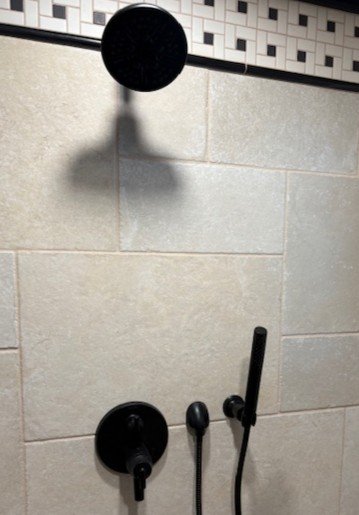
Leaks are stealthy. A pinhole leak in a hidden pipe can waste hundreds of gallons per day and drive mold or structural issues. I regularly find leaking joints under older homes and behind walls where periodic temperature swings and settling have stressed fittings. Investing in routine leak detection, which can include infrared scanning, moisture meters, and smart flow monitors, pays off in both conservation and avoided damage.
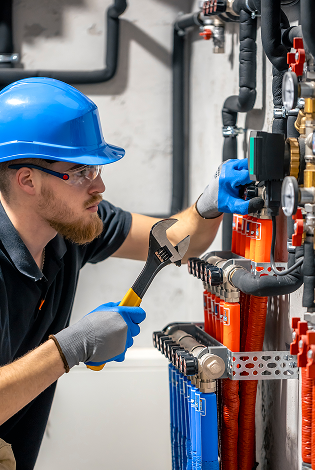
Smart leak detection devices and automatic shutoff valves can prevent catastrophic losses. Devices that monitor flow patterns often cost under $300 for basic models and can be a sensible addition to vacation properties around Sandpoint. For renters or short-term homeowners, a plumber company in Sandpoint can install remote monitoring tied to your phone, which is useful during winter months when burst pipes are a real risk.
Greywater reuse and rainwater harvesting: when to consider them
Greywater systems capture water from showers, baths, and lavatories, and redirect it for irrigation or toilet flushing. In theory the water savings are substantial. Practically, greywater systems require careful design, local approval, and maintenance. For a homeowner with garden irrigation needs and space for a treatment loop or storage tank, a properly designed greywater system can reduce potable water use for irrigation by 30 to 50 percent during warm months.
Rainwater harvesting is straightforward for garden use if you have adequate roof area and a plan for storage and filtration. Sandpoint averages seasonal precipitation that supports supplementation of irrigation, especially for container gardens and lawns. Local codes vary, and potable use is usually restricted unless heavy treatment is applied. Before committing, talk with a plumber in Sandpoint who works with local permitting to ensure your system meets health department rules and that overflow and mosquito control concerns are addressed.
Material choices and longevity
Piping material matters for both longevity and sustainability. Copper is durable and recyclable but expensive and energy-intensive to produce. Cross-linked polyethylene PEX offers flexibility, fewer joints, and faster installation, which can reduce labor time and waste on remodels. PVC and CPVC are fine for drain and waste lines, but use caution near heat sources. Reclaimed fixtures and fittings, when vetted, can be both economical and low-impact, particularly for historic homes where matching original fixtures preserves character.
A common mistake I see is choosing the cheapest pipe on a remodel without considering ease of future repairs. PEX, for example, makes retrofit jobs quicker and less invasive, which often saves homeowners money on labor even if material costs are slightly higher.
Balancing upfront cost, payback, and resilience
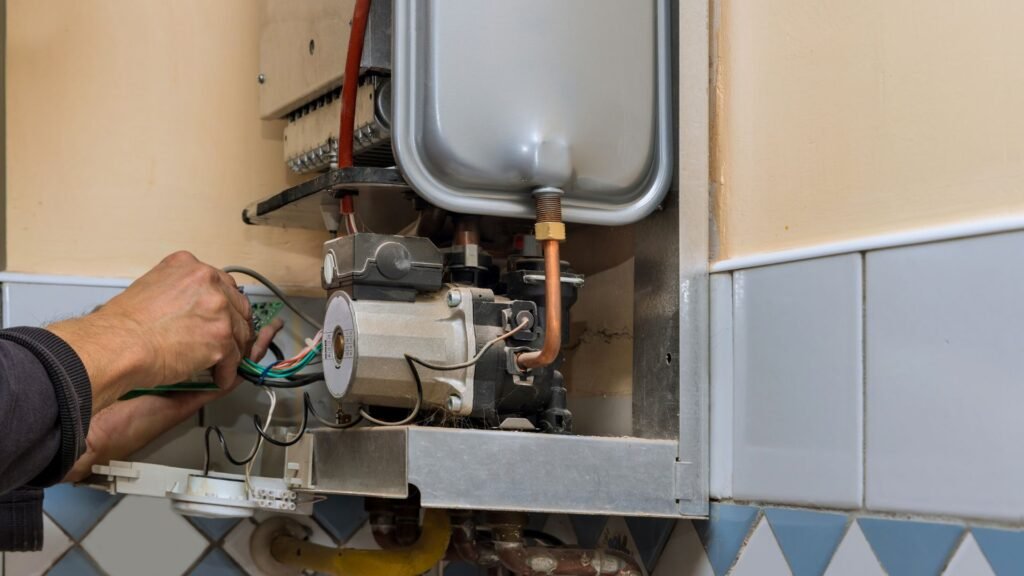
Eco-friendly plumbing rarely fits a single formula. A $2,000 low-flow retrofit might pay off in two years for a family of four that uses older fixtures. A $6,000 heat pump water heater could take six to eight years to pay back, depending on electricity costs and rebate availability. Replacing a leaky clay sewer main is an immediate priority because it prevents groundwater contamination and eliminates persistent waste.
When advising clients, I lay out three scenarios: minimal investment with quick wins, mid-range upgrades that combine efficiency and durability, and comprehensive replacement for long-term savings. Minimal often includes faucet aerators, pipe insulation, and basic leak detection. Mid-range adds a high-efficiency water heater and fixture replacements. Comprehensive covers re-piping, greywater or rainwater systems, and integrated monitoring. Each tier has trade-offs in disruption, up-front cost, and payback time.
One anecdote: a Sandpoint family replaced three old toilets and installed a heat pump water heater during a kitchen remodel. The project cost more initially, but their monthly combined water and electric bill dropped about 25 percent. The kids were teenagers then, so the constant hot water was noticeable, and the house suffered no cold snaps due to tankless plumbing quirks. They recovered most of the expense through energy savings and a bump in resale interest when they sold three years later.
Practical steps and questions to ask your plumber
A careful plan avoids chasing glossy product claims. When you call a plumber in Sandpoint, expect a site visit for real measurements and flow testing. Here are five focused questions that will separate thoughtful contractors from those selling products.
- Can you perform a flow test and measure peak simultaneous demand for my home? What are the expected installation costs and any required electrical or gas upgrades? Do you offer options with estimated payback periods and available rebates? How will the chosen system behave in our cold winters, particularly in unheated spaces? What maintenance schedule and costs should I expect, and do you offer service plans?
Rebates, permits, and local considerations
Many utility companies and state programs offer rebates for high-efficiency water heaters and certain fixtures. Rebates change, and eligibility can hinge on installation practices and model numbers, so have your plumber check current programs before you buy. Permits are another essential step. Installing a new water heater, tying in greywater, or altering a sewer line usually requires a permit in Sandpoint. A licensed plumber company in Sandpoint like Believe Plumbing knows local permitting pathways and inspection expectations, which prevents costly rework.
Mitigating winter risks
In our climate, freeze protection is not optional. When running new outdoor irrigation or installing rainwater storage above grade, design with insulation, heat tape, or burying lines below frost depth. For vacation properties, automatic shutoff devices and remote monitoring are effective line items. I recommend winterizing irrigation systems by draining or blowing out lines, and sealing any exterior penetrations where cold air can sneak in and freeze nearby piping.
Service, warranties, and long-term thinking
Efficiency is only as good as maintenance. Tankless systems need descaling in hard water areas, typically yearly or every two years. Heat pump water heaters have filters to clean. Fixtures wear. When evaluating a plumber in Sandpoint and the products they sell, compare warranty terms and ask if they offer maintenance plans. A five-year parts and labor package at reasonable cost can be worth buying for complex systems.
Why choose a local plumber
Hiring a local plumber company in Sandpoint matters because they know local water quality, typical pressure issues, and the building stock. They understand winterization needs unique to north Idaho, and they can guide you toward systems that actually work for local lifestyles, such as extended vacations where remote monitoring and auto shutoff are invaluable. A local pro also handles permitting and inspections, which streamlines the project and reduces surprises.
Final persuasion: invest where it pays and where it lasts
Eco-friendly plumbing is not about buying the fanciest gadget. It is about aligning choices with how your household uses water and heat, and with the realities of Sandpoint living. Start with high-leverage changes: stop leaks, insulate, replace old toilets, and evaluate your water heater. If you have the budget and local conditions fit, add a heat pump or well-designed greywater system. Use a plumber in Sandpoint ID who measures first, recommends options with real numbers, and lays out maintenance and permit steps.
If you want a hands-on assessment, a site visit that includes flow testing, a review of your current fixtures and water heater, and a written proposal with cost and estimated savings gives you the clarity to decide. Firms like Believe Plumbing and other plumber Sandpoint professionals can perform that work. Make the choices that reduce waste, lower bills, and protect your home. The right plumbing upgrade pays back in comfort, resilience, and peace of mind.
Believe Plumbing
819 US-2, Sandpoint, ID 83864
+1 (208) 690-4948
[email protected]
Website: https://callbelieveplumbing.com/